Why the Steel Sports Watch Bubble isn't Bursting
Why the Steel Sports Watch Bubble isn't Bursting
Every year since 2020, market analysts have predicted the imminent collapse of the steel sports watch market. And every year, they've been proven wrong. As we analyze the data from 2025 and project into 2026, it's becoming clear that what many dismissed as a bubble is actually a fundamental shift in how we value timepieces.
Understanding the Phenomenon
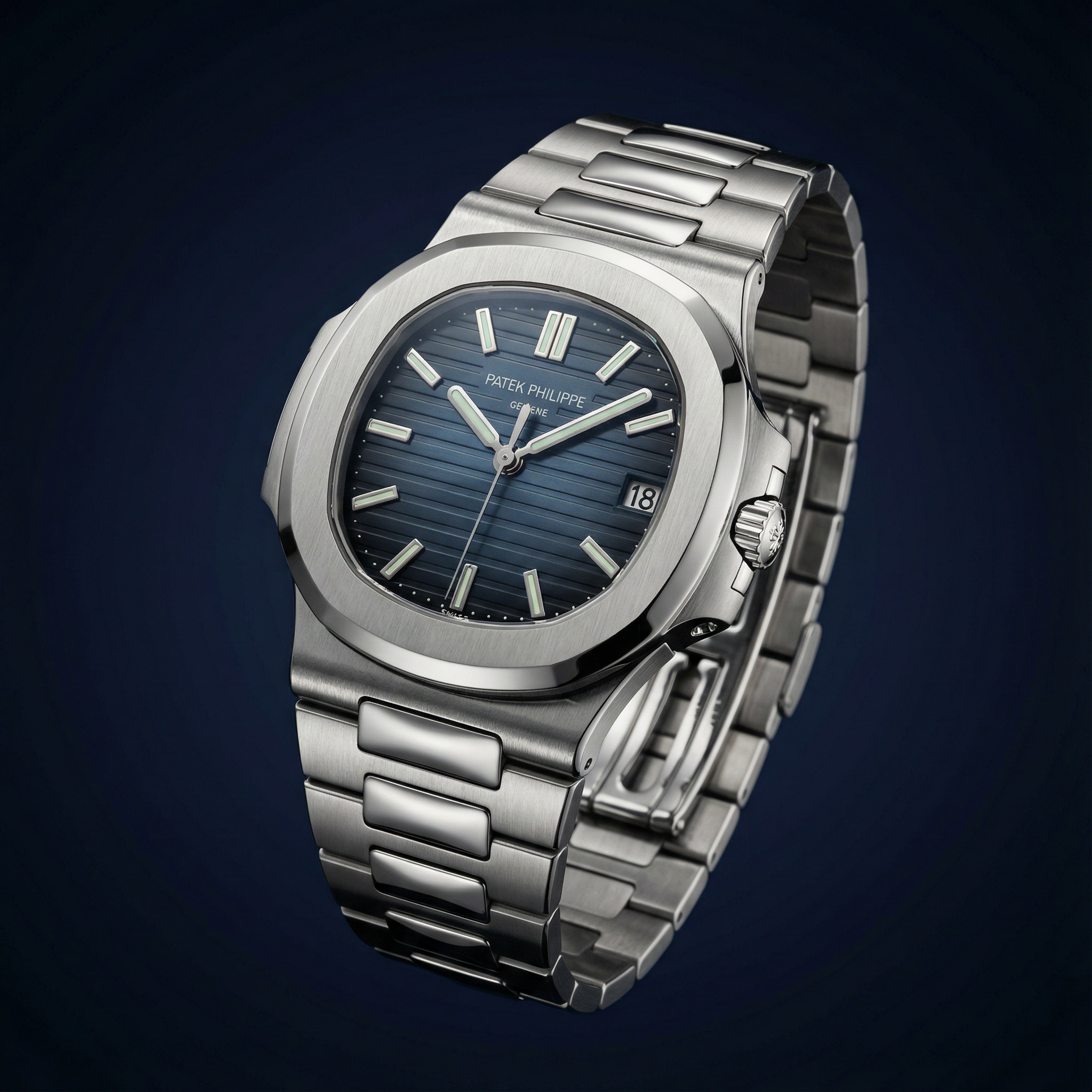
The steel sports watch phenomenon began with the Audemars Piguet Royal Oak in 1972, but it truly exploded in the 2010s with the rise of social media and a new generation of collectors. Watches like the Patek Philippe Nautilus, Rolex Submariner, and AP Royal Oak became symbols of success in a way that traditional dress watches never quite achieved.
The Numbers Don't Lie
Let's look at the data. In 2025, the average transaction price for a Patek Philippe Nautilus 5711 on the secondary market was €185,000—nearly five times its retail price. The Audemars Piguet Royal Oak 15500 traded at €65,000, more than double retail. Even the relatively accessible Rolex Submariner commanded premiums of 40-60% over list price.
Critics point to these numbers as evidence of speculation run amok. But a deeper analysis reveals something more nuanced: genuine, sustained demand from a growing global collector base.
The Global Factor
The key to understanding this market is recognizing its truly global nature. Wealth creation in Asia, the Middle East, and increasingly Africa has created millions of new potential collectors. For many of these individuals, a steel sports watch from a prestigious Swiss manufacture represents the perfect entry point into serious collecting.
Supply Constraints
On the supply side, manufacturers have shown remarkable discipline. Despite the obvious temptation to ramp up production, brands like Patek Philippe and Audemars Piguet have maintained strict output limits. Rolex, while producing more watches than its competitors, still cannot meet demand for its most popular models.
What Could Change?
Of course, no market is immune to correction. Several factors could theoretically impact prices:
- Economic recession: A severe global downturn could reduce discretionary spending on luxury goods.
- Generational shift: If younger collectors develop different preferences, demand could soften.
- Production increases: If manufacturers significantly increase output, scarcity premiums would erode.
However, none of these scenarios appears imminent. The global economy, while facing challenges, remains resilient. Younger collectors, if anything, seem more interested in watches than their predecessors. And manufacturers show no signs of abandoning their carefully cultivated scarcity.
Conclusion
The steel sports watch market is not a bubble in the traditional sense. It's a reflection of genuine, global demand for a limited supply of exceptional timepieces. While prices may fluctuate, the fundamental dynamics supporting this market remain intact.
For WristShare subscribers, this means continued access to some of the world's most desirable watches without the need for waitlists or secondary market premiums. It's one of the key advantages of the subscription model in today's market environment.